
Climate Week NYC 2026: Conversation Galore and A New Commitment
By: Angela Okune
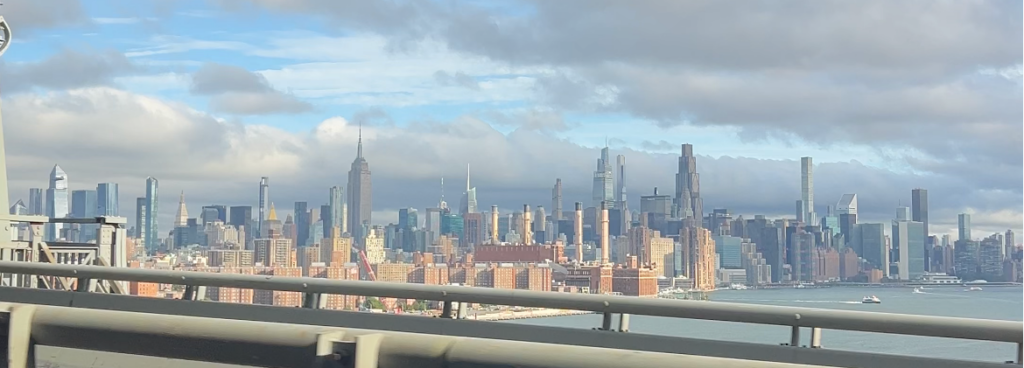
CSIDNet went to Climate Week New York City (NYC) for the first time this year on behalf of CSIDNet in order to connect with the climate justice community and to build new relationships with those interested in the intersection between climate and health. We quickly learned Climate Week is not your typical conference; there’s no single venue, no central program, or one badge that gets you into everything. It’s more like a thousand independently organized events scattered across the city over a week, timed to overlap with the United Nations General Assembly (UNGA).
We learned from others who’d done this before that the real work of the week happens far in advance of the sessions. We were advised to be in touch with those you want to meet in advance otherwise, you can end up feeling very lost the whole week. We are grateful to The Sidebar in particular, whose events created smaller, more accessible spaces to meet new people and think together. For folks planning to attend Climate Week or Skoll in the future, we encourage you to find out what Sidebar is organizing and see how you can plug in.
We were happy to meet in-person with the Sall Family Foundation, who have recently committed to supporting CSIDNet’s work with an unrestricted grant, joining continued support from founding partner Wellcome Trust. We came to Climate Week to connect with fellow travelers on the journey and left with more people willing to build alongside us. We’re glad for the company!
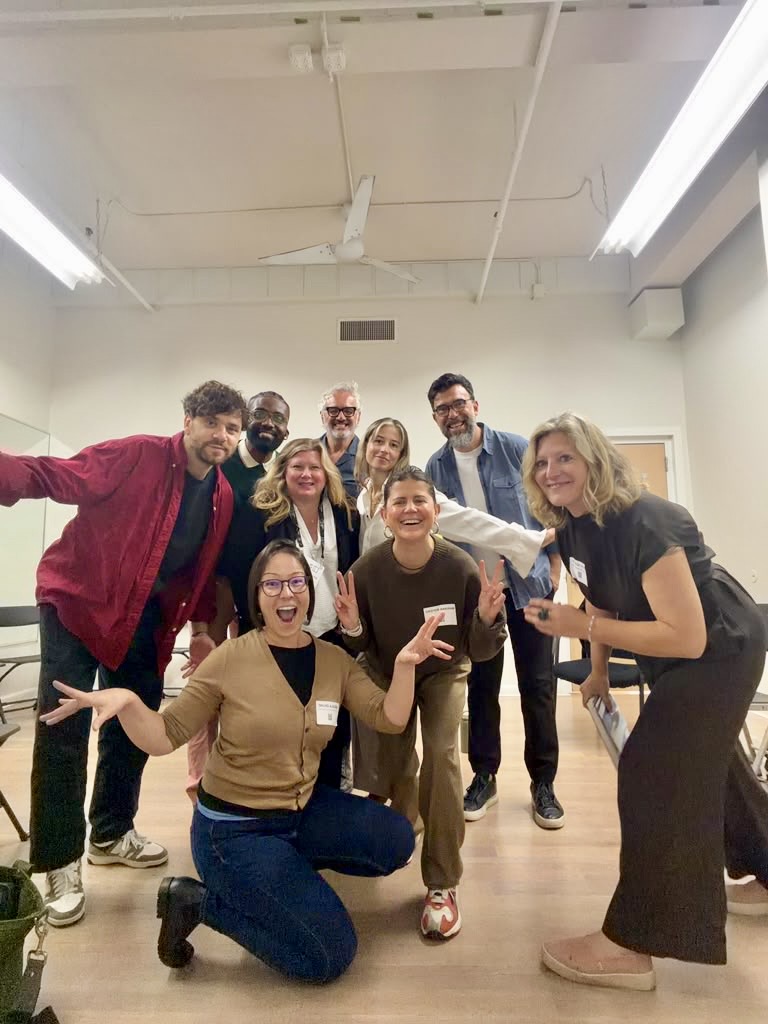
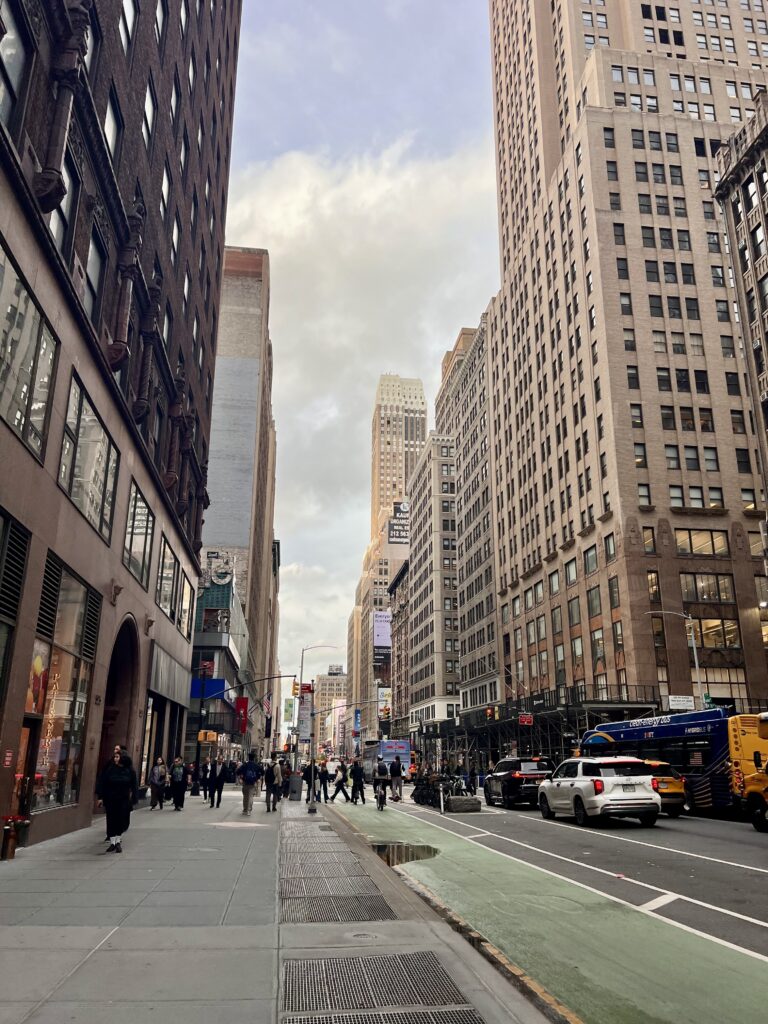
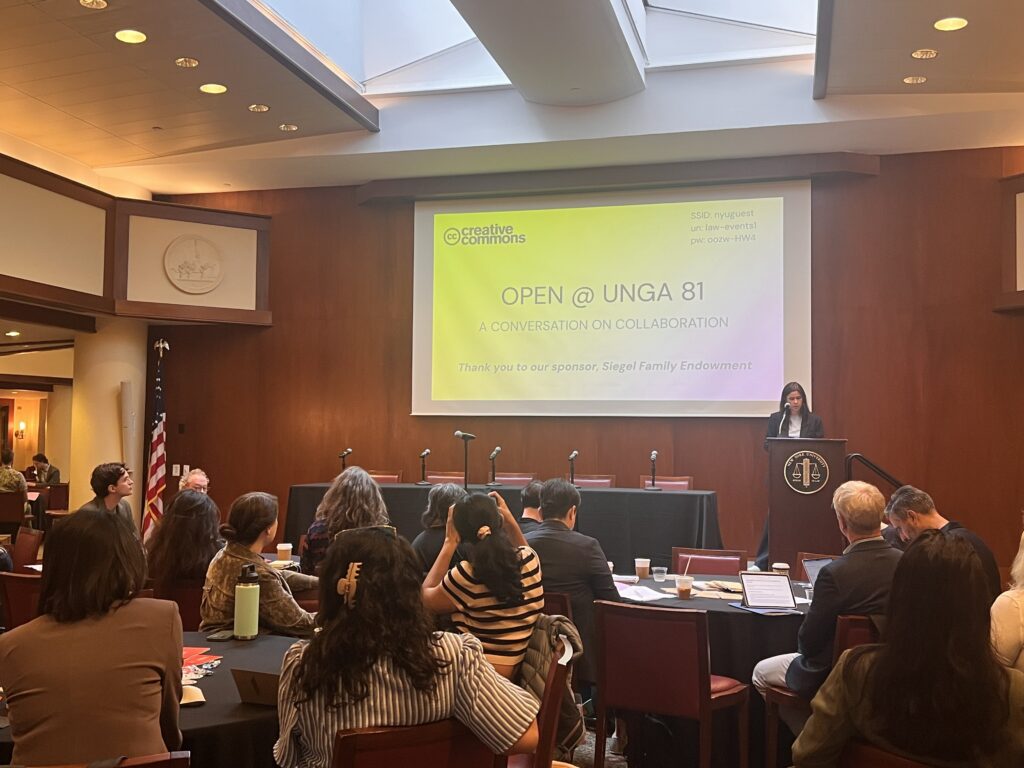
Otherwise, the week was spent moving between formal sessions and smaller conversations. We attended “Open @ UNGA 81: A Conversation on Collaboration” as well as the launch of a new report by the Rockefeller Foundation and the University of Chicago’s Institute for Climate and Sustainable Growth using AI-powered weather forecasting to improve health outcomes. We went to the Climate and Health Commons convening at the National Academy of Medicine, alongside smaller conversations with peers working across AI-for-climate and open knowledge infrastructure.
Overall, we left New York feeling like there are big shifts and changes taking place in how this work is being funded that will fundamentally affect the climate and health landscape. For example, we learned of new funder collaboratives like P150 and listened keenly in discussions about the influence that new so-called “third wave philanthropy” entrants are beginning to have in global health. As a network, we are closely watching how these changing dynamics influence how uptake and impact of climate and health data, models, and tools are assessed and invested in.